

UK house price growth is showing signs of cooling in 2026 as higher borrowing costs, sticky inflation concerns, and renewed geopolitical tensions continue to pressure buyer demand and mortgage affordability.
Early-year optimism across the property market has faded after a period of rising mortgage rates, which reversed earlier expectations of rate cuts from the Bank of England. Analysts say uncertainty linked to global tensions has added further pressure, keeping financing costs elevated and dampening momentum in the housing sector.
Average UK house prices currently sit in a broad range between £270,000 and £300,000, depending on the index used. According to the HM Land Registry, the most comprehensive dataset covering both cash and mortgage transactions, the average UK house price stood at £268,132 in March 2026. That figure reflects a slight monthly decline of 0.4% and near-flat annual growth.
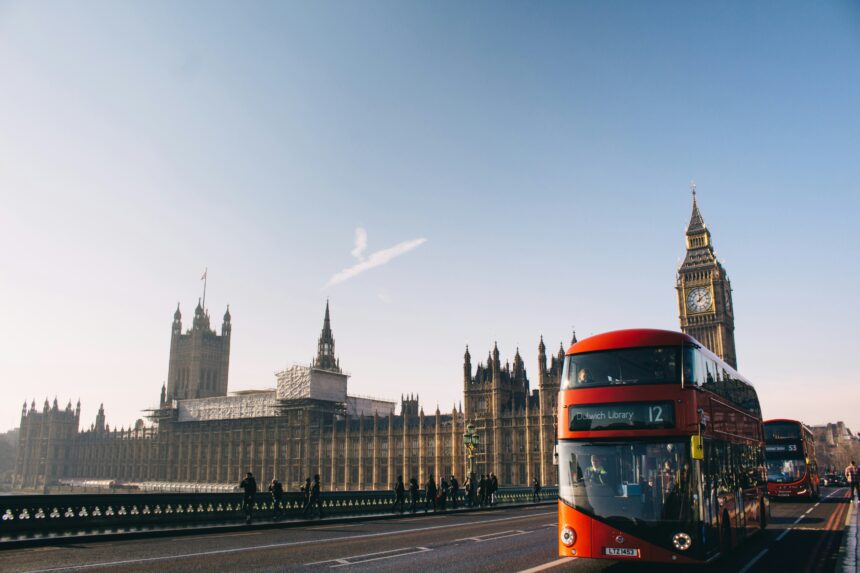
London continues to show weakness, with average prices falling year-on-year to around £542,065, down 2% from the previous year.
Other major indices present a mixed picture. Nationwide reported an average UK house price of £278,880 in April 2026, noting modest monthly growth driven by resilient household finances and relatively low debt levels. Halifax, meanwhile, recorded a slight monthly decline to £299,313, attributing softer prices to higher borrowing costs and weaker consumer confidence.
In contrast, Rightmove’s asking price index showed a 1.2% monthly increase in May, bringing average asking prices to £378,304. However, this reflects seller expectations rather than completed transactions.
Zoopla data places the average UK house price at £271,900, highlighting continued stagnation across the wider market, with only marginal monthly movement.
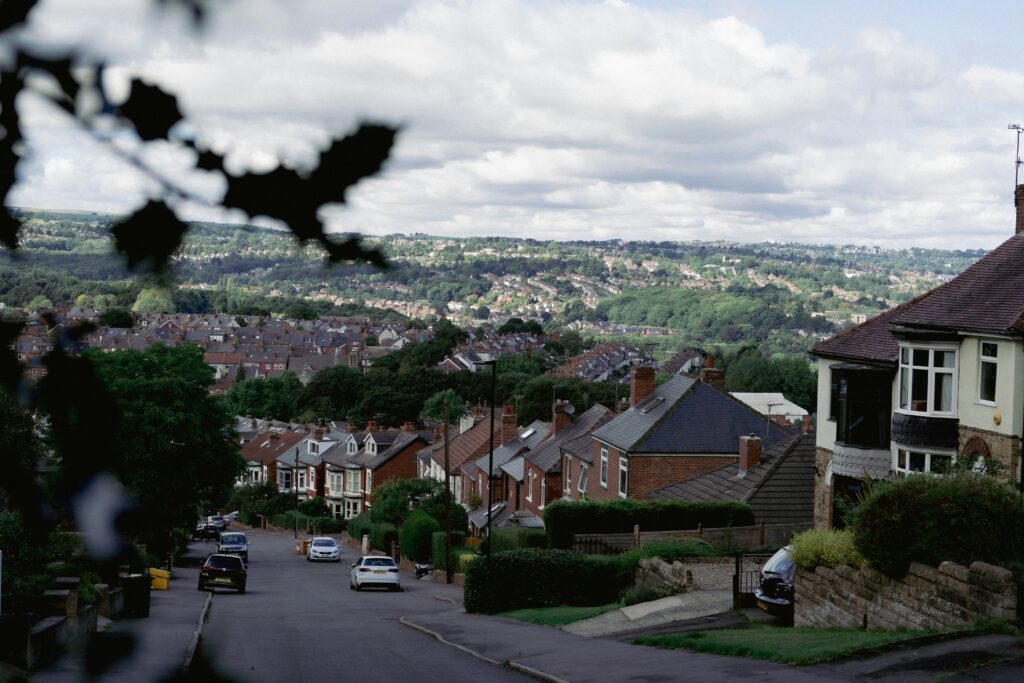
Regional performance remains highly uneven. Northern Ireland, parts of northern England, and Scotland continue to outperform, with annual growth exceeding 3% to 6% in several areas. Belfast, Liverpool, and Newcastle have recorded some of the strongest gains. In contrast, southern England is largely flat or negative, with London and the South East showing weak or declining values.
Market sentiment indicators also reflect softening confidence. The Royal Institution of Chartered Surveyors (RICS) reports negative readings across house prices, sales, and new buyer enquiries, suggesting subdued momentum heading into mid-2026.
Forecasts for the rest of 2026 have been revised downward. Earlier projections of up to 3% growth have been cut by several analysts to between 1% and 2.5%, including revised estimates from Pantheon Macroeconomics and Knight Frank. The downgrade reflects persistent affordability constraints and higher mortgage rates.
Mortgage costs remain a key barrier. The average two-year fixed mortgage rate has climbed above 5.7%, up significantly from early 2026 levels. This sharp rise has reduced borrowing power for many buyers and is expected to continue limiting demand in the near term.
Looking ahead, most analysts expect only modest price growth through 2026, with regional divergence likely to persist. Stronger performance is forecast in lower-priced northern markets, while London and southern regions are expected to remain under pressure unless mortgage rates ease significantly.
Overall, the UK housing market in 2026 is shaping up to be a period of stagnation rather than expansion, with affordability and interest rates remaining the dominant drivers of price direction.